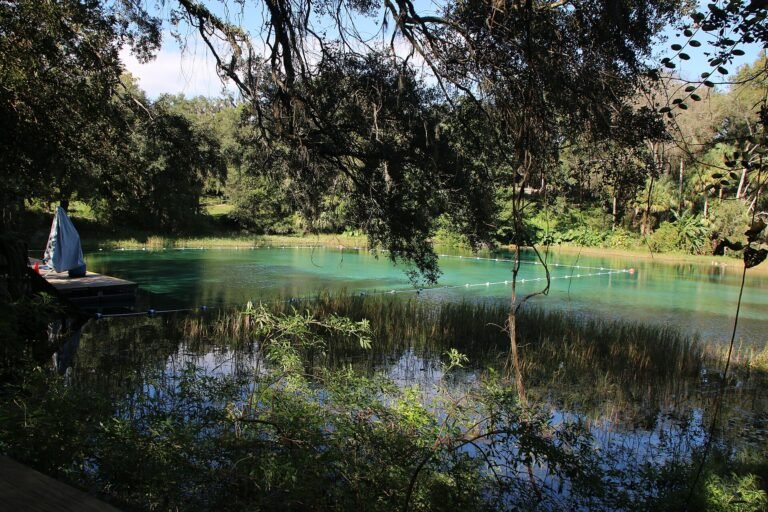
Ocala is surrounded by springs, and the single most useful fact for a visitor is this: Silver Springs, the historic glass-bottom-boat park right in town, does not allow swimming at all — it’s one of only two Florida state parks with that rule — so if swimming is the point of the trip, drive the extra twenty-five minutes to Rainbow Springs or thirty to fifty minutes into the Ocala National Forest instead.
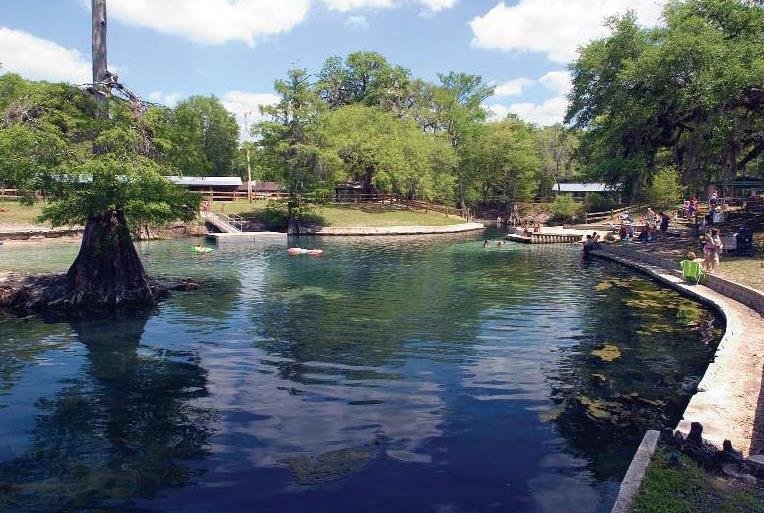
In town and just west. Silver Springs State Park is the historic one: glass-bottom boats over one of the largest artesian spring formations in the world, plus excellent paddling, though swimming is not the draw here. Rainbow Springs State Park, near Dunnellon, is the swimming and tubing headline — bear in mind the modest headsprings entry fee is separate from the tubing package, which costs considerably more, and headsprings entry has required a reservation since April 29, 2026.
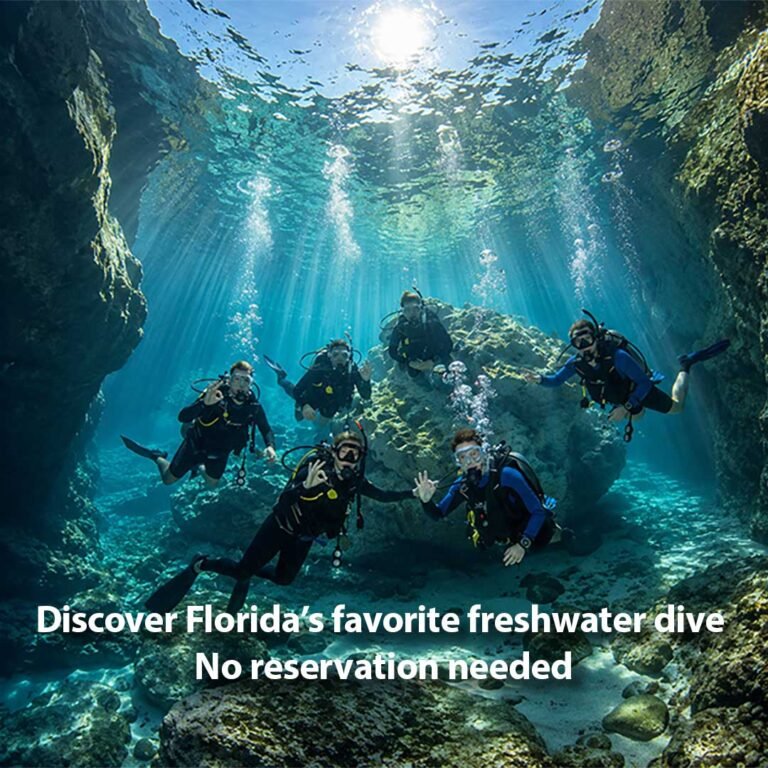
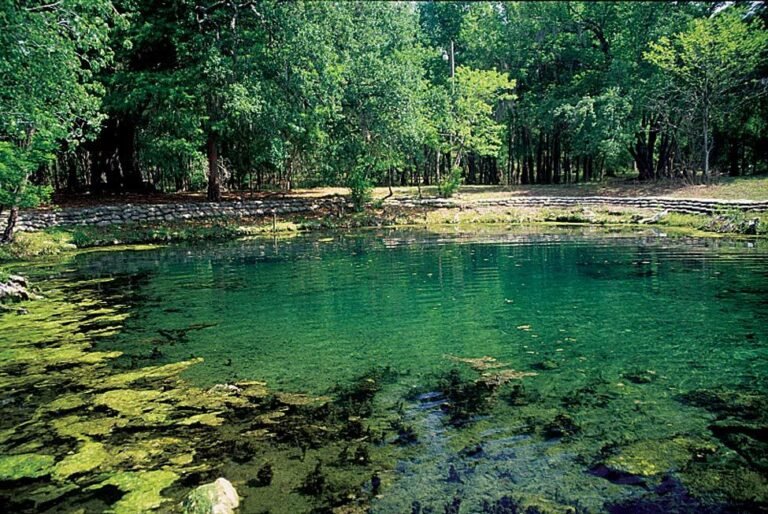
East, into the forest. Alexander, Juniper, and Silver Glen sit inside the Ocala National Forest, thirty to fifty minutes east, with Salt Springs a bit further. These are the wild ones: sand-bottomed basins under old forest, real campgrounds, far fewer facilities, and a much better chance of quiet. Alexander is the gentlest and the best for a first cavern dive; Juniper is the classic forest swimming hole with a genuinely committing paddle run.
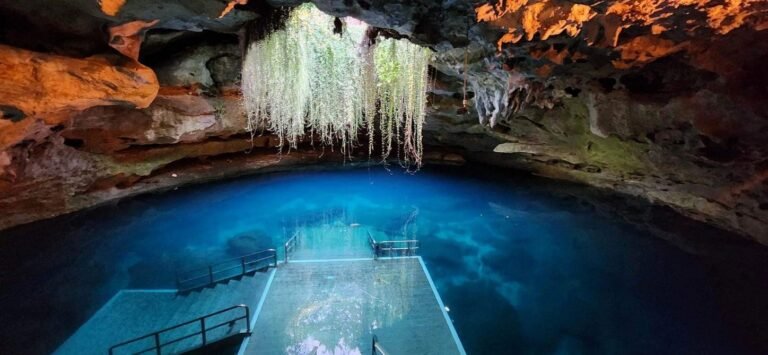
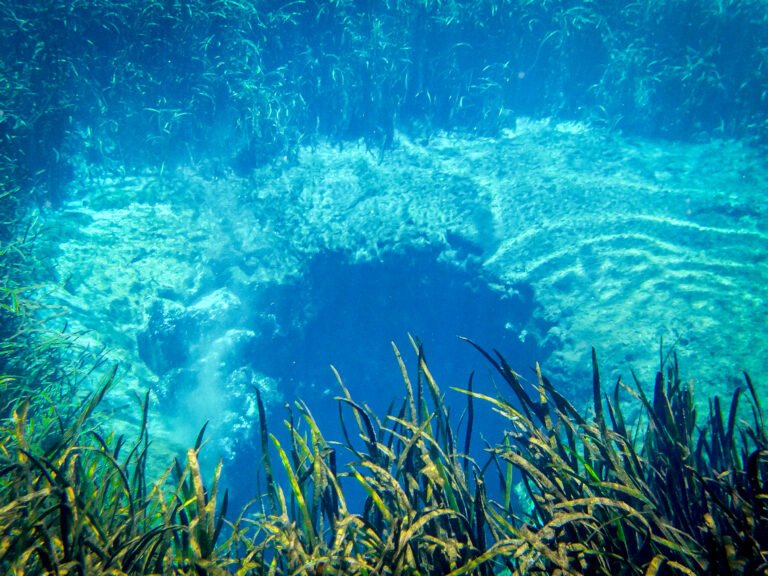
North, underground. Devil’s Den and Blue Grotto at Williston, roughly half an hour north, are ticketed private dive and snorkel sites — a spring inside a collapsed limestone cave, lit by a shaft of daylight. Nothing else in Florida looks like it.
The advantage of basing here. Ocala gives you options when the weather does not cooperate. If the rivers are tannic after rain, the forest and Williston springs are basin-fed and stay clear. If the popular parks are at capacity, the forest almost never is.
Before you drive
Rainbow Springs has required a day-use reservation for headsprings entry since April 29, 2026, with parking limited during ongoing renovations. Both Devil’s Den and Blue Grotto require reservations and sell out on weekends. Silver Springs’ Sea Hunt Deck remains closed as of August 2026, and swimming is never allowed there. Alexander Springs runs $14.50/person as a USFS site (state passes don’t apply) and adds a $20/vehicle reservation fee in peak summer weekends, while Juniper runs $14.50/person too — both verified rates, both subject to change. Check current conditions before you commit to any of these.
Start with these
Alexander Springs, in the Ocala National Forest thirty to fifty minutes east, is the gentlest first-magnitude spring in the state and one of the only places in Florida allowing open-water (non-cave) scuba diving — a good first cavern dive for a newly certified diver. Entry is $14.50/person (free under 6, $80/year for an annual pass); it’s a USFS site so state park passes don’t apply, though the $75/year Springs Hopper Pass covers Alexander, Juniper, and Silver Glen together. Lifeguards are on duty 10am–5pm daily from May 15 to September 15, and a separate $20/vehicle reservation is required on weekends, holidays, and select federal observances from May 23 to September 7.
Silver Springs is the historic in-town option — glass-bottom boat tours over one of the largest artesian spring formations on earth, now $17/adult for the 30-minute version or $35/adult for 90 minutes. Park entry itself is just $2/person, kids 5 and under free. There’s no swimming anywhere in the park, and the Sea Hunt Deck has been closed since October 2025 and remains so as of August 2026, though the Creek Trail along Half-Mile Creek has reopened — worth checking which parts are open before you build a visit around them.
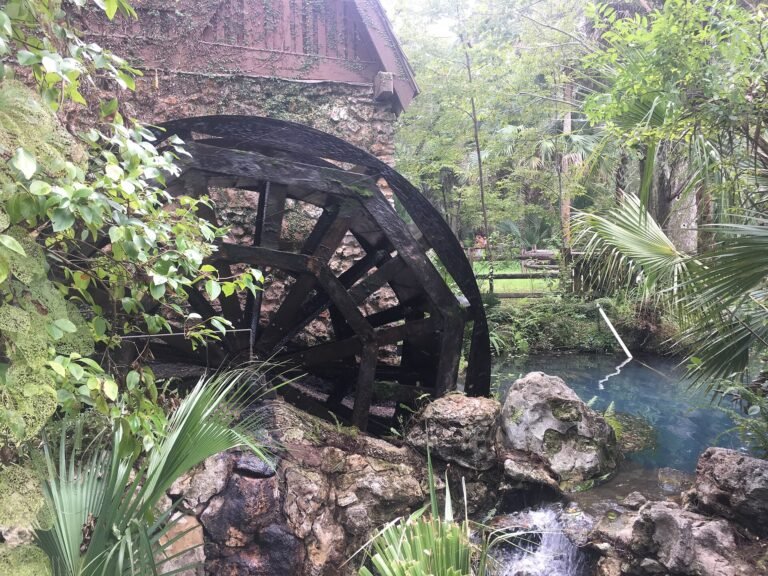
Juniper Springs is the classic forest swimming hole, with a campground built by the Civilian Conservation Corps in the 1930s under a dense oak canopy — the most atmospheric option in this cluster. Entry is $14.50/person. Juniper Run itself is the only paddle option: a single, committing 7-mile, 4–5 hour one-way trip with no shortcut and no exit points, so it’s not a casual float. Rental kayaks run $65 single or $75 tandem, including the return shuttle; launches go out 8:30am–12:30pm, and kids under 40 pounds can’t ride in rental canoes. The campground gate locks overnight — 8pm–8am March through October, 6pm–8am the rest of the year.
Salt Springs is the better pick for RVs, with full hookups that draw a large snowbird crowd from January through March, $14.50/person plus tax. It runs slightly warmer than the standard 72°F Florida spring — about 74°F, thanks to its mineral content — and shelters blue crabs in the shallows, a detail that surprises first-time visitors. It doesn’t honor the America the Beautiful Disabled Veterans Pass, so don’t count on that discount here even if you use it elsewhere.
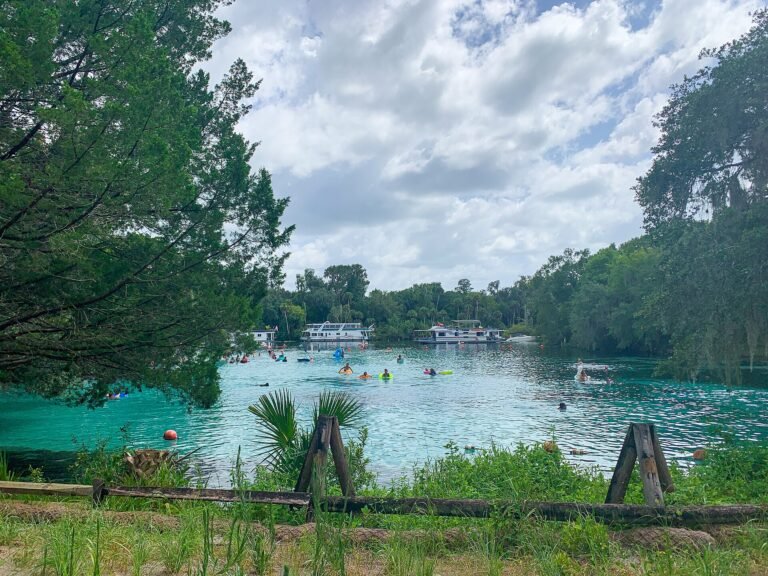
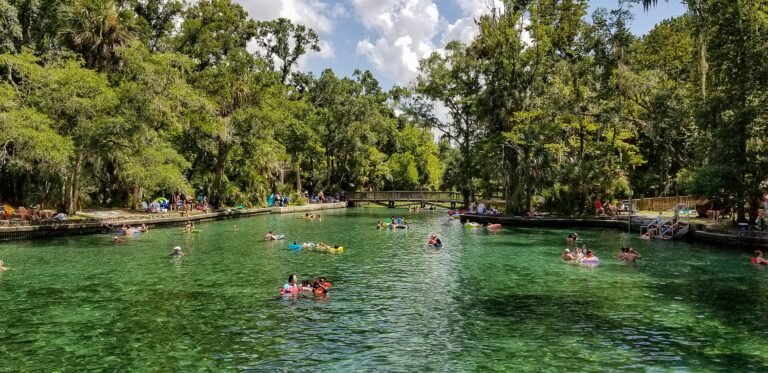
Rainbow Springs, about twenty-five minutes west near Dunnellon, is the swimming-and-tubing headline of this area. Since April 29, 2026, headsprings entry requires a day-use reservation — don’t assume a walk-up visit will work. The headsprings fee ($5/vehicle standard, $4 single-occupant, $2 pedestrian) is separate from the tubing package (roughly $27/person through the park, or $25–30 through outfitters), and tubing only runs April through September while the headsprings stay open year-round, 8am to sunset.
Distances are straight-line miles from Ocala — drive times vary.

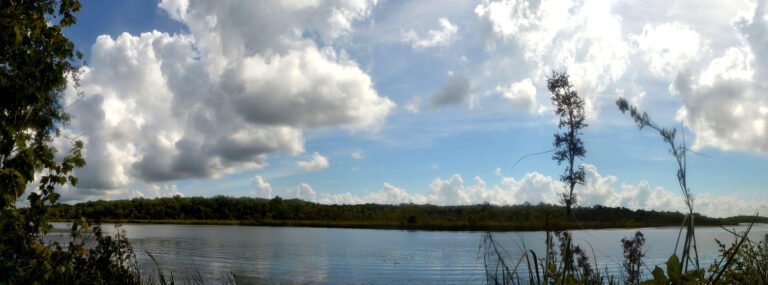
Silver Springs
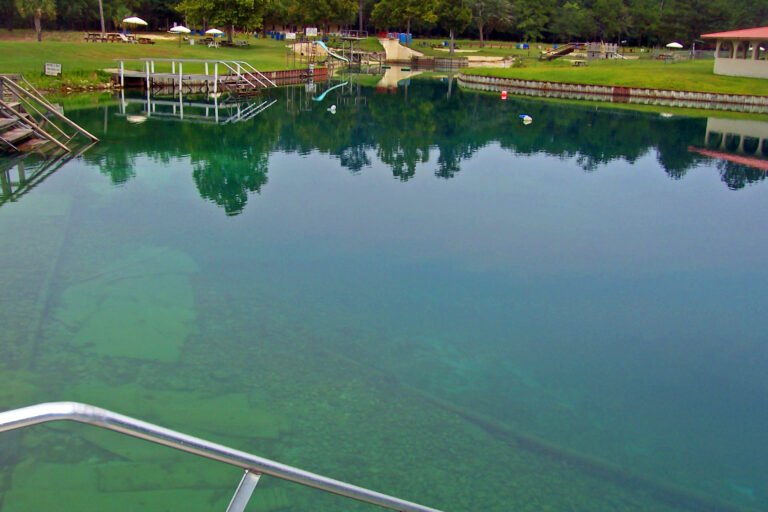
Glass-bottom boats and paddling over giant springs — no swimming.
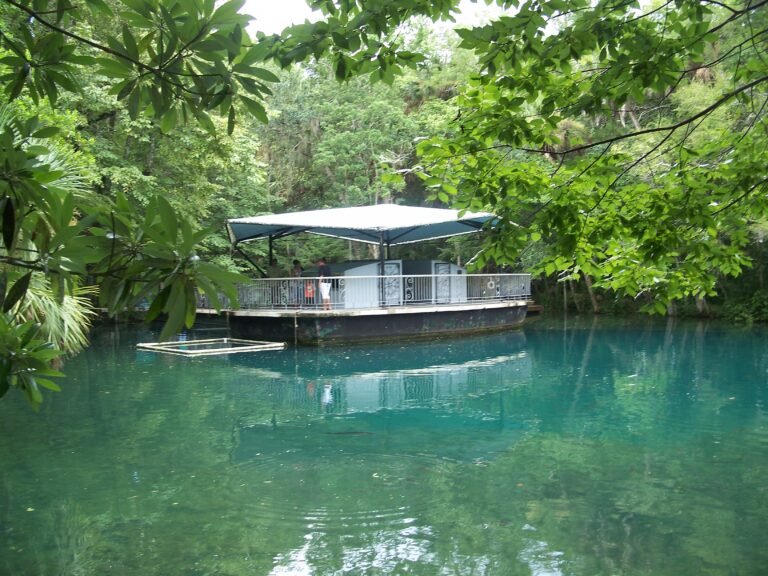
Ellie Schiller Homosassa Springs Wildlife State Park
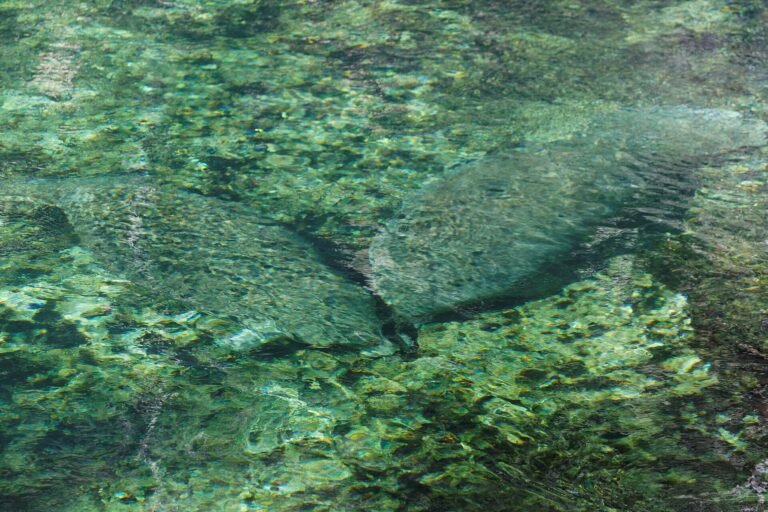
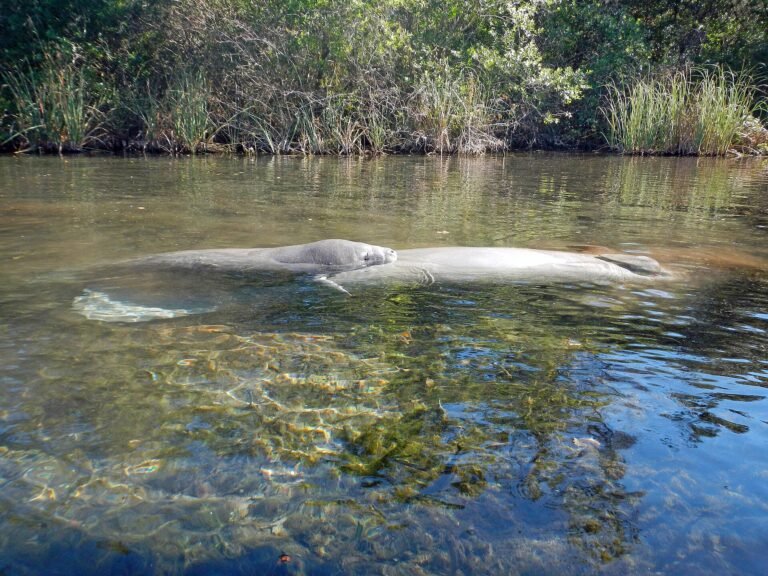
Guaranteed manatees, year-round, from an underwater observatory.
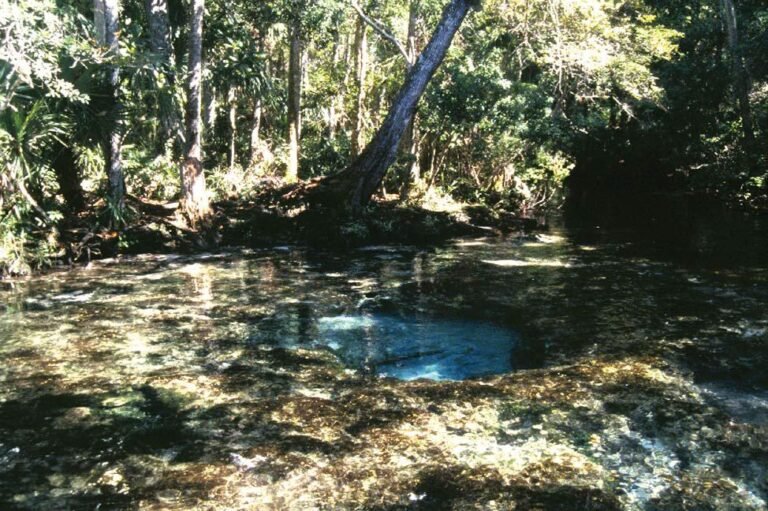
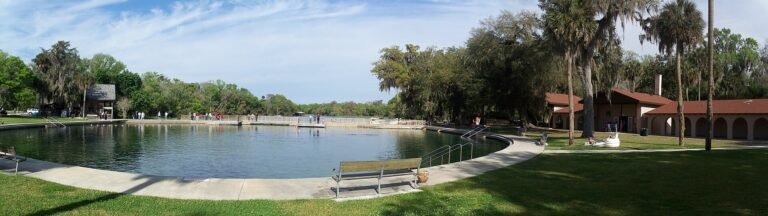
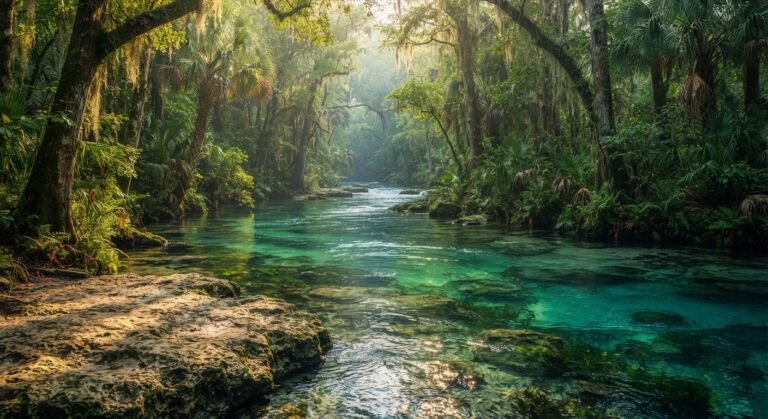
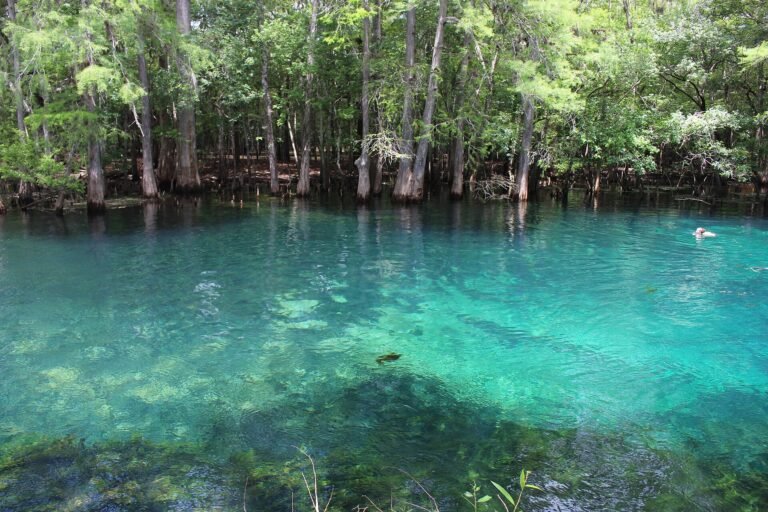
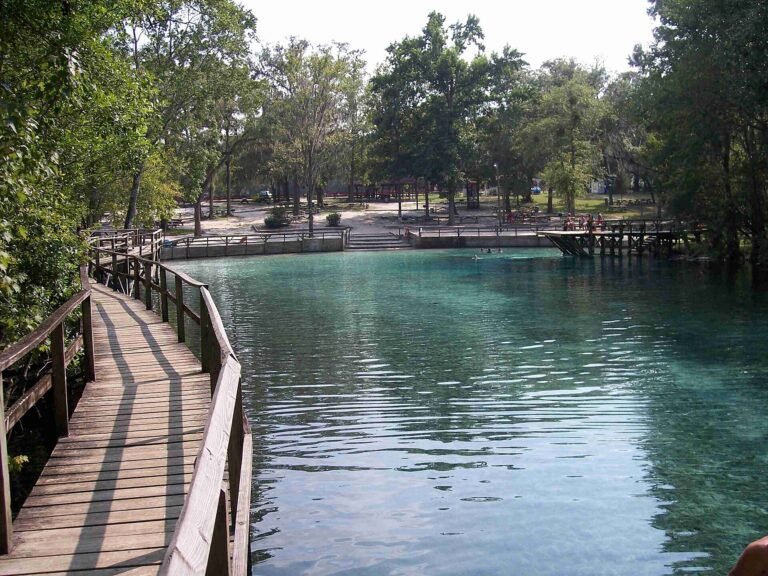
Gilchrist Blue Springs
The best backup to Ichetucknee — and a top-five spring in its own right.
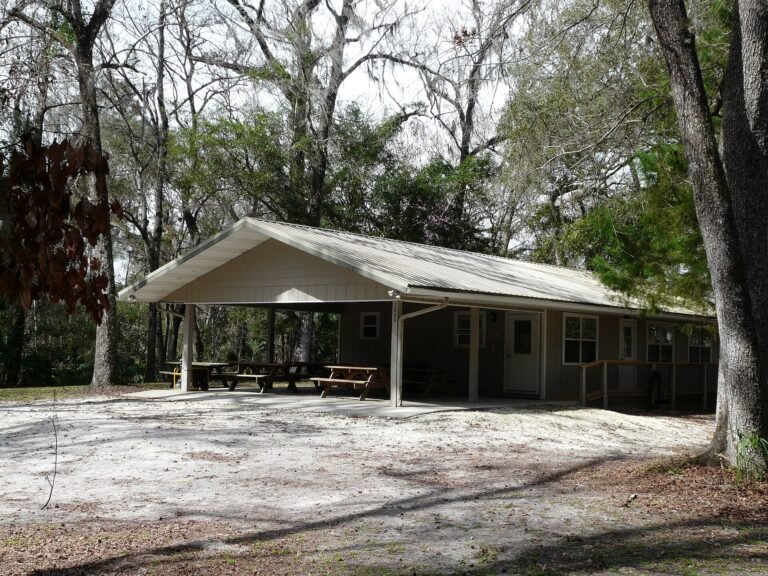

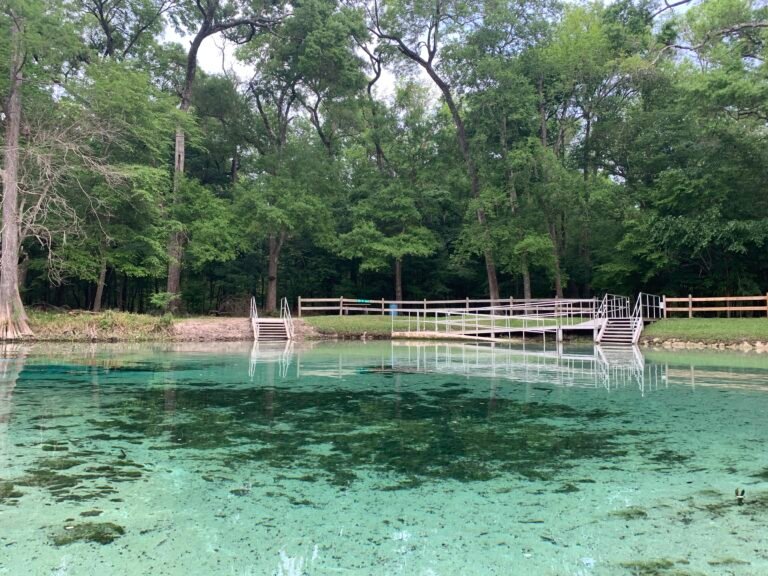
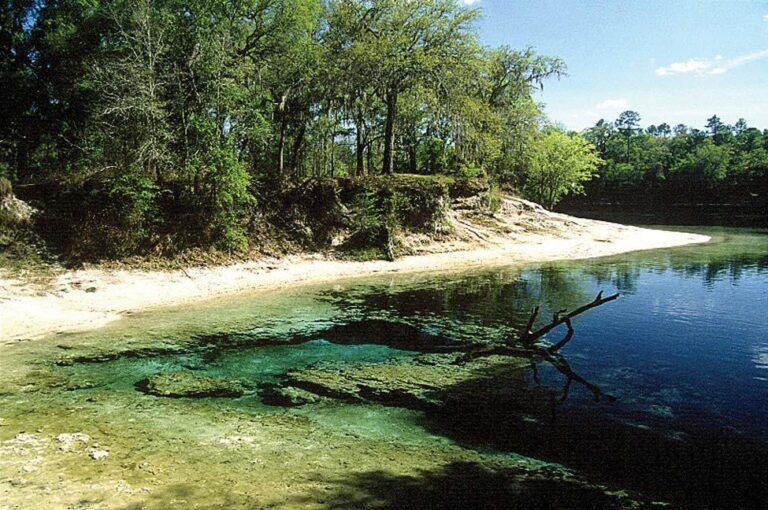
Little River Springs
Cheap, uncrowded swimming with a serious cave system below.
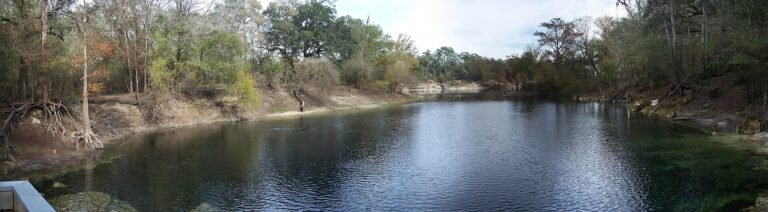
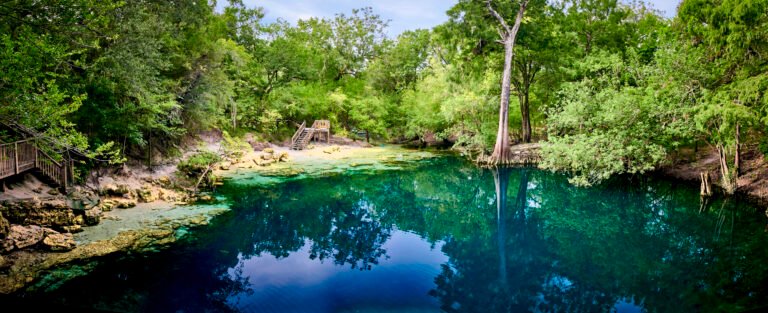
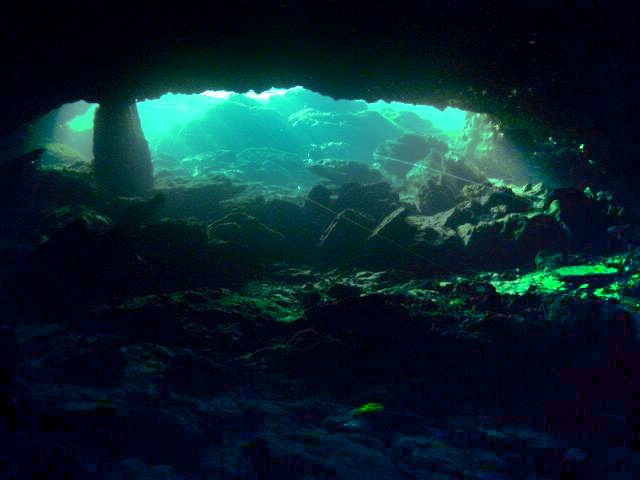
Wes Skiles Peacock Springs State Park
One of the longest underwater cave systems in the country.
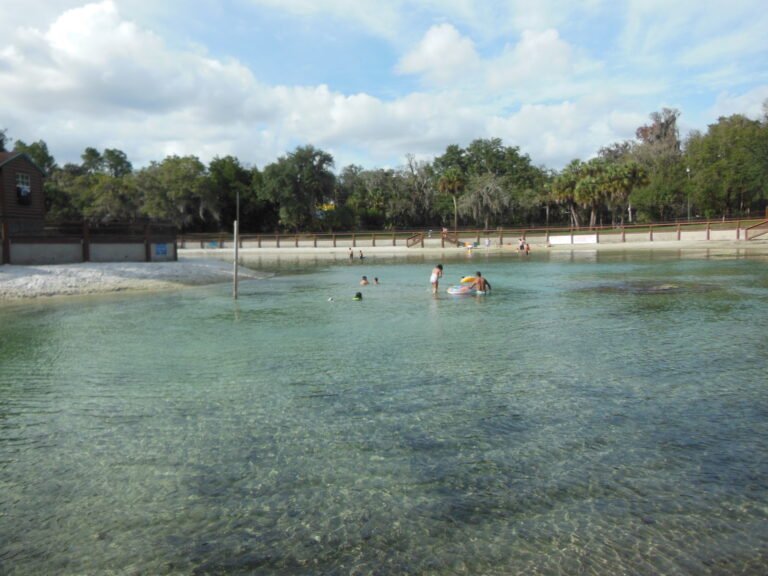
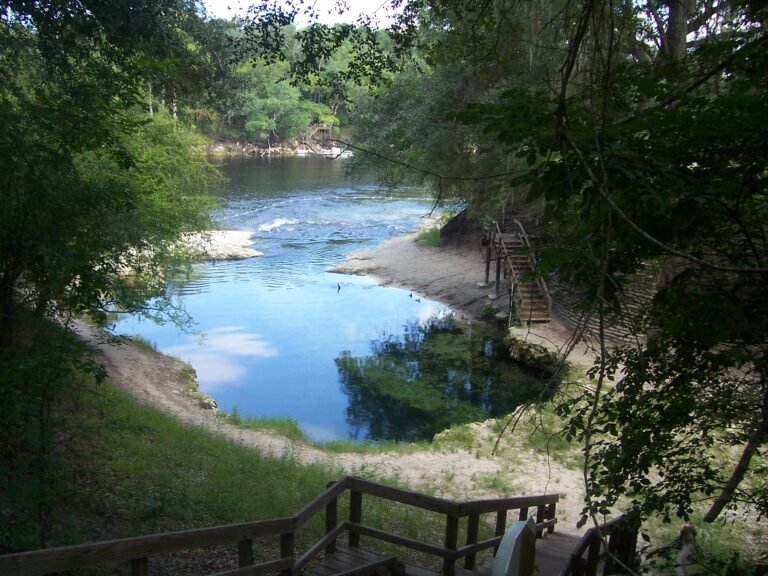
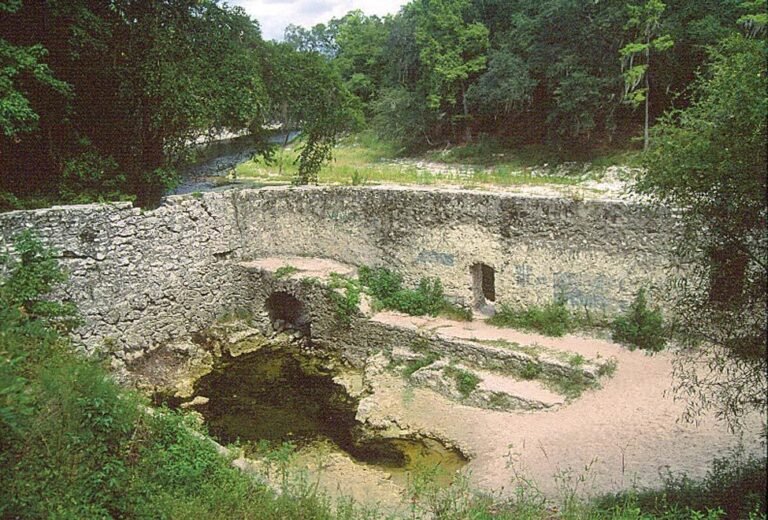
Suwannee Springs
Historic sulphur springs and 19th-century ruins on the Suwannee.

A one-day plan
For a swim, start at Alexander Springs in the Ocala National Forest — its broad, gently sloping basin is the easiest entry in this cluster and a good pick if anyone in your group is a newly certified diver, though check whether your visit falls in the May 23–September 7 weekend reservation window first. For sightseeing over swimming, Silver Springs is the better choice: glass-bottom boats over one of the largest artesian spring formations on earth, with the Creek Trail now reopened, though the Sea Hunt Deck has been closed since October 2025 and remains so as of this August — worth confirming before you go if that’s specifically what you’re after.
If you have a weekend
Camp at Juniper Springs for the most atmospheric option here — a Civilian Conservation Corps campground from the 1930s under a dense oak canopy, though there are no full-hookup sites, the gate locks overnight, and the Juniper Run itself is a committing, one-way seven-mile canoe trail with no exit points, so plan a full 4–5 hour day for it if you paddle. Salt Springs is the better pick for RVs, with full hookups that draw a big snowbird crowd from January through March, plus a spring that runs slightly warmer than the standard 72°F and shelters blue crabs.
Seasonal notes
The Ocala forest springs are basin-fed, so unlike the Santa Fe or Suwannee clusters, they generally stay clear even after rain that would cloud a river-fed spring — a real advantage if you’re planning around weather. If you’re touring more than one forest spring, the $75/year Springs Hopper Pass covers Alexander, Juniper, and Silver Glen together, which pays for itself in two or three visits at $14.50/person each. Alexander Springs requires a separate $20/vehicle reservation on weekends, holidays, and select federal observances between May 23 and September 7.
FAQs
Can you swim at Silver Springs?
No. Silver Springs is one of only two Florida state parks where swimming is not allowed anywhere in the park. Go for the glass-bottom boat tours ($17/adult for 30 minutes, $35/adult for 90) and paddling instead, and head to Rainbow Springs or the Ocala National Forest springs for an actual swim.
What is the closest spring to Ocala for a first-time cavern dive?
Alexander Springs, thirty to fifty minutes east in the Ocala National Forest. It’s the gentlest first-magnitude spring in the state and one of the only Florida springs allowing open-water (non-cave) scuba diving, with lifeguards on duty 10am–5pm daily from mid-May through mid-September.
Which Ocala-area springs stay clear after heavy rain?
The Ocala National Forest springs (Alexander, Juniper, Salt Springs, Silver Glen) and the Williston cave sites (Devil’s Den, Blue Grotto) are basin-fed rather than river-fed, so they generally stay clear when Santa Fe- or Suwannee-fed springs turn tannic after a few days of heavy rain upstream.