Manatee season is the single best-timed event on Florida’s springs calendar, and it’s coming up. Here’s what actually happens, and which spring to plan around.
When it starts
As the Gulf and connecting rivers cool, manatees move into the warm, constant 68–72°F water of Florida’s spring runs, typically from November through March. The coldest snaps — usually January — bring the biggest numbers. If you’re planning a trip specifically to see manatees, aim for a cold morning in that window rather than a warm one; manatees disperse back into open water as temperatures rise, so a mild 75°F January day can mean a nearly empty run compared to a 45°F morning right after a cold front.
The three springs, and how they’re actually different
Blue Spring State Park is the reliable big-numbers spectacle. Counts in recent winters have topped 700 manatees on cold mornings, viewable from a boardwalk along the run. The water itself closes to swimmers while manatees are present — this is a watch-from-the-boardwalk experience, not a swim. Entry is $6/vehicle, the same standard state park rate as most of the parks on this list, though during peak manatee season the parking lot itself can fill before the gate does, so an early arrival matters here as much as it does for a summer tubing run.
Three Sisters Springs in Crystal River is the one place on this list where getting in the water with manatees is actually legal — one of the only spots in the country where that’s true. But it requires a permitted boat tour launching from Kings Bay; you cannot walk in from the land-side boardwalk, a detail a lot of first-time visitors get wrong. Boardwalk-only access runs $12.50/adult April 1–November 14 and $20/adult during manatee season, November 15–March 31; the in-water tours are priced and booked separately through permitted operators, and manatee-viewing etiquette rules apply strictly in the water — no chasing, cornering, or separating a mother from a calf, and keep noise and splashing down so the animals aren’t spooked into deeper water where fewer people can see them.
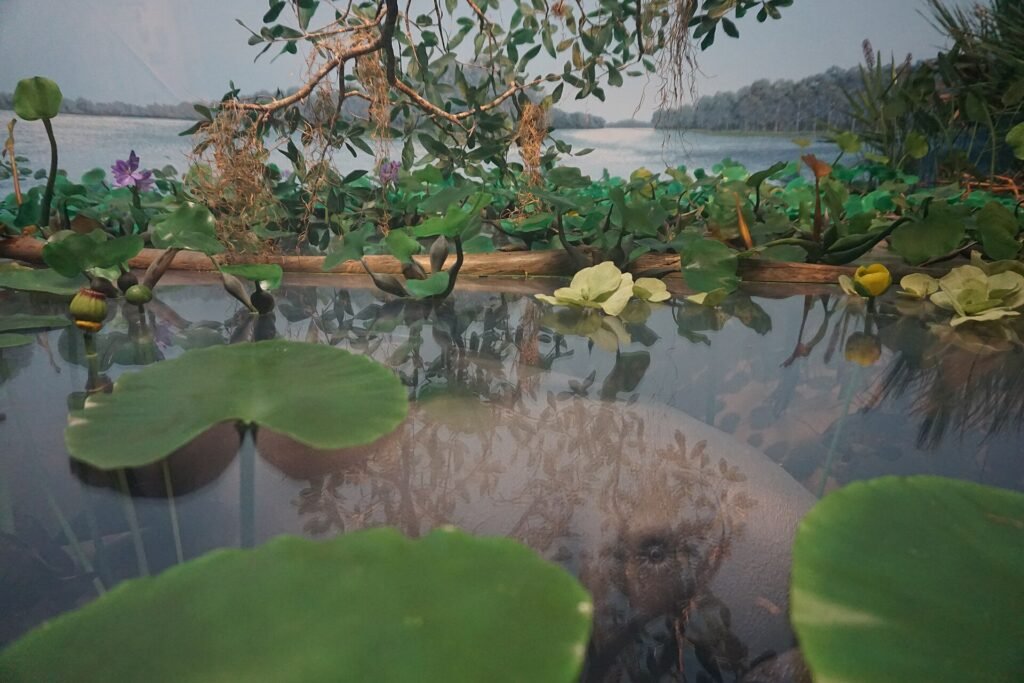
Ellie Schiller Homosassa Springs Wildlife State Park is the sure thing. It doubles as a manatee rehabilitation center, so resident manatees that can’t be released back into the wild live there year-round — you’ll see manatees on a random Tuesday in July, not just in winter. It’s the right pick if your schedule can’t bend around a cold front. Entry runs about $13/adult. One thing worth knowing before you drive out: as of our last check, the shuttle boat that normally ferries visitors across the spring run has been unavailable since February 2026 due to low water levels, and the on-site restaurant is closed (a food truck is available instead) — neither affects the manatee viewing itself, but it changes the logistics of a visit, so check our conditions page before you go.
We cover the full trade-offs in Blue Spring vs. Three Sisters and Three Sisters vs. Homosassa, and the complete roundup is in our manatee springs guide.
Why these three springs specifically
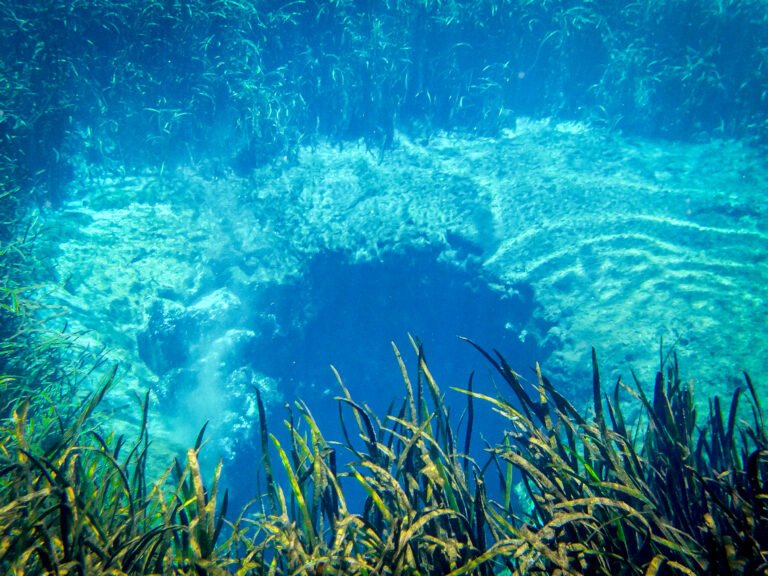
Manatees can’t tolerate water much below about 68°F for long, so as Gulf and river temperatures drop through the winter, they seek out the constant discharge of Florida’s spring-fed rivers — the same 68–72°F flow that makes these springs swimmable for people year-round is what keeps manatees alive through a cold snap. Blue Spring, Three Sisters, and Homosassa are three of the largest, most reliable warm-water refuges in the state, which is exactly why they’re also the three best-documented places to see manatees rather than just hope for one. Smaller springs can see the occasional manatee pass through too — Manatee Springs on the Suwannee is named for exactly this reason and does see winter visitors — but none of the smaller sites offer anything close to the reliability of the big three.
Making a weekend of it
Blue Spring, Three Sisters, and Homosassa aren’t next door to each other, so pick one region rather than trying to chase all three in a single day. If Crystal River is your base, Three Sisters and Homosassa are close enough to pair on one trip, and Rainbow Springs is about 20 minutes further if you want a swim somewhere the manatees aren’t. Blue Spring, near DeLand, pairs more naturally with a Central Florida trip. Whichever you choose, remember winter is also when campground reservations at these parks are easiest to get relative to summer — worth checking if you’d rather stay the night than drive back after an early boardwalk visit.
Planning notes
Weekday mornings beat weekend afternoons for both crowd size and manatee activity — manatees are more active before the day warms up, and boardwalks fill in fast on cold weekends once word gets out that numbers are high. Bring layers: a January morning at Blue Spring’s boardwalk is a genuinely cold outdoor wait, even though the water below stays constant. Check our current conditions page before you drive out, since capacity limits and closures can change day to day during peak season, and see our packing guide if you’re combining a manatee morning with a swim somewhere else the same trip.
Sources / verified against: Florida State Parks (Blue Spring State Park, Ellie Schiller Homosassa Springs Wildlife State Park), Crystal River National Wildlife Refuge / permitted Three Sisters Springs tour operators, and our own conditions log.