Should you go?
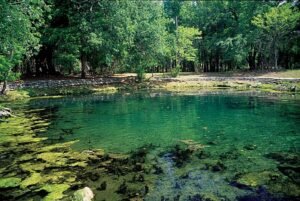
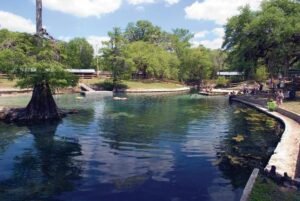
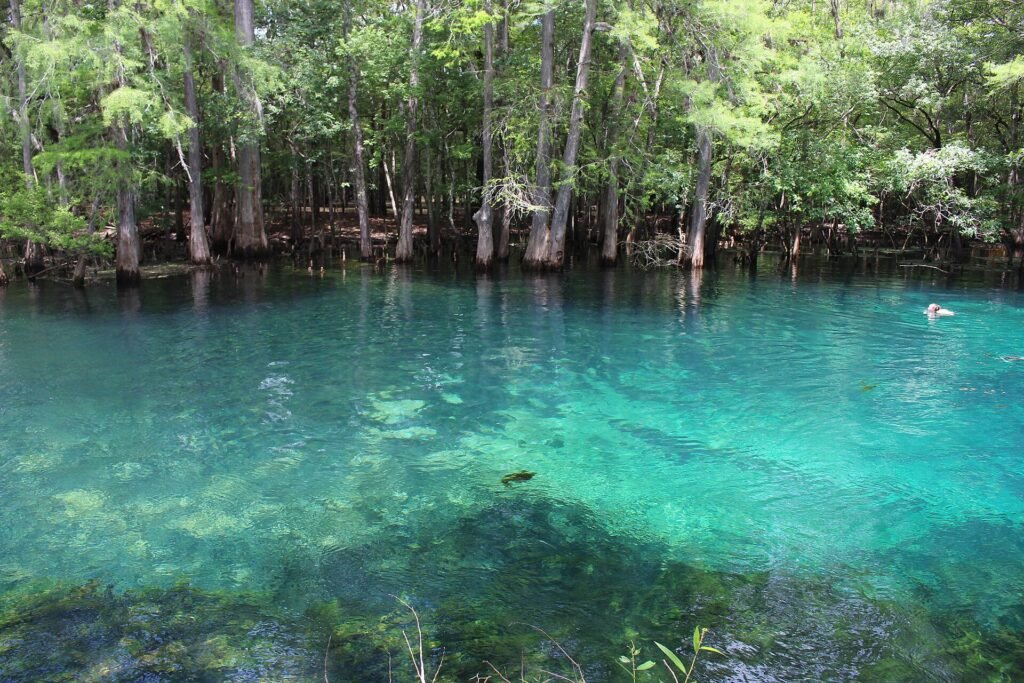
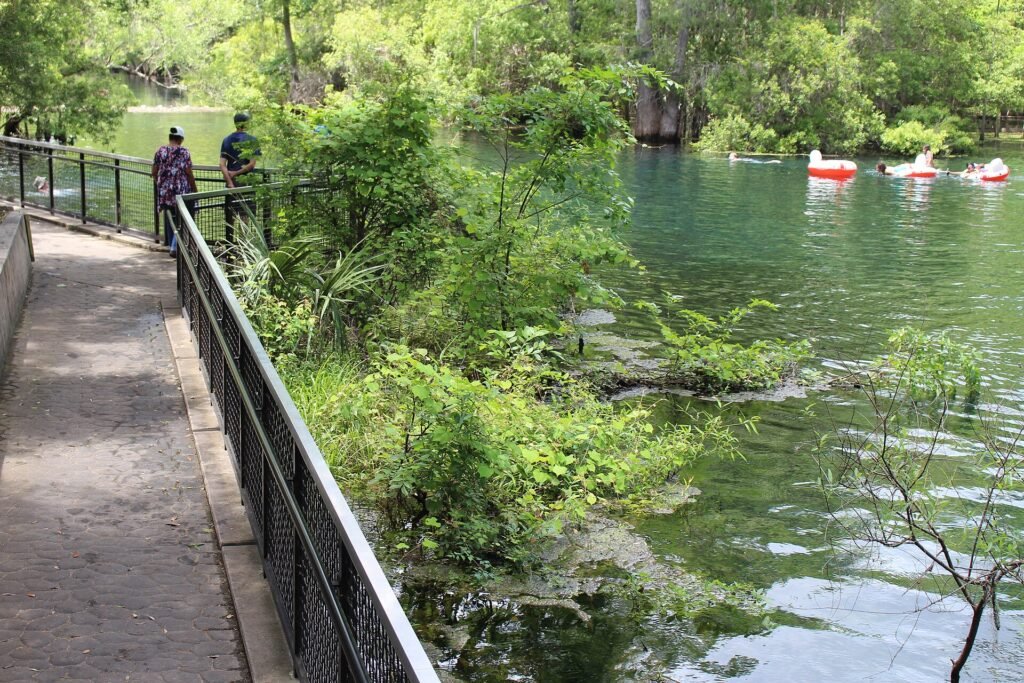
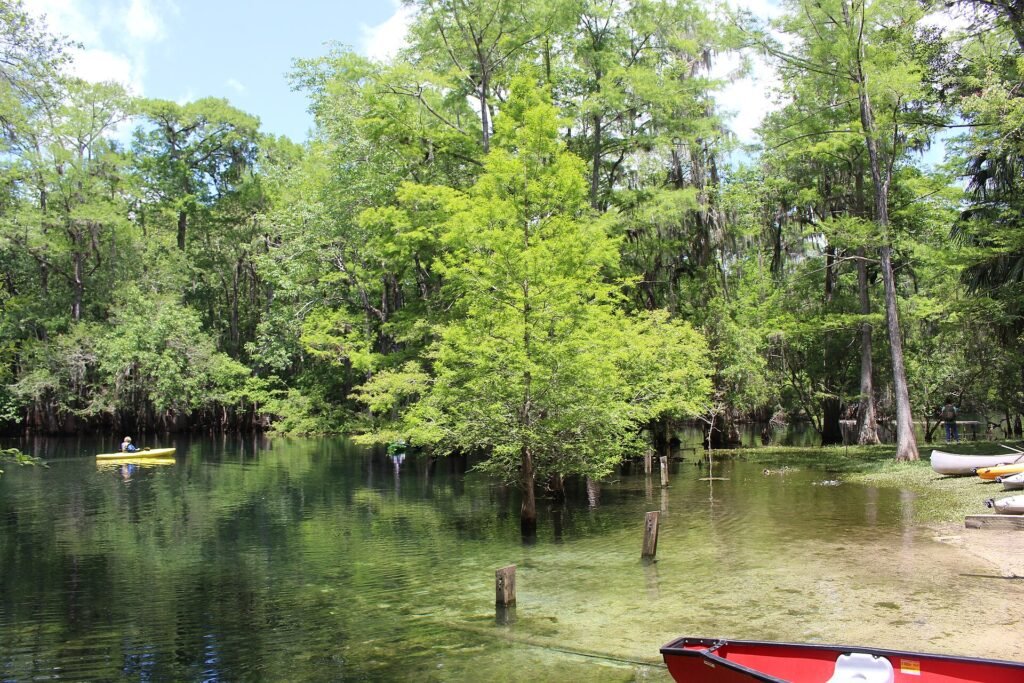
Manatee Springs pumps a full first-magnitude flow down a short, gorgeous run into the Suwannee River, with a boardwalk through cypress swamp alongside. True to the name, manatees push up the run from the river in winter.
Summer brings a quirk: the basin swim shares space with plentiful mullet and the occasional sturgeon leaping in the river beyond.
Is it worth it? Yes, especially if you want a quieter alternative to the busier Central Florida springs. Visitors have reported the park feeling nearly empty even on peak summer holidays, and at $6 per vehicle it’s one of the cheaper full state park experiences on this list. The water stays a constant, genuinely cold 72°F year-round — bring that expectation with you rather than treating it like a warm swimming hole. Winter is the better bet if manatees are the goal; summer is better for clear-water swimming and fewer crowds on the run itself.
Visiting
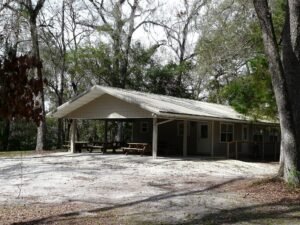
Per Florida State Parks' own hours-and-fees page: $6 for a standard vehicle (2-8 people), $4 for a single-occupant vehicle or motorcyclist, and $2 for pedestrians, bicyclists, or extra passengers. The park is open 8am until sundown, 365 days a year. Camping runs $20/night plus a $6.70 nonrefundable reservation fee, with an added $7 utility fee for RV sites; both include water and electricity. Seniors 65+ and disabled Florida residents get 50% off base site fees. A rentable pavilion (six picnic tables, water, and electricity) runs $35/day plus tax.
Diving — spring, open water, or cave — is free with regular admission, but the park requires divers to register by 3pm and be out of the water a full hour before sunset. Certified cave divers access the Catfish Hotel sink system; swimmers and snorkelers use the main basin.
In manatee season the run closes to swimmers when animals are present. <strong>For camping:</strong> The best winter camping on this list, and it's not close — from November through March, manatees gather in the spring run just steps from your tent, and you can walk the boardwalk at night in near-total quiet. <strong>For manatee:</strong> A quieter, wilder manatee experience on the Suwannee — winter manatees in the spring run, viewed from an 800-foot boardwalk through ancient cypress swamp, with almost none of the Crystal River crowds. Campers here consistently mention deer wandering right through the sites daily and armadillos rooting around at dusk — genuinely close wildlife encounters, not just something you might see on a hike.
WiFi is available at the small restaurant near the springs, useful to know if you're camping a few days and need to check in with anyone. One current status note: the Waterfront Restroom and the dump station have been closed since January 2026 — confirm before you go if either matters to your plans. Also worth knowing: you can't bring your own firewood into the park due to an emerald ash borer infestation risk; it's sold on site instead, around $12 a bundle.
By the numbers: Manatee Springs is a first-magnitude spring with water holding a constant 72°F year-round. Its run to the Suwannee is the longest spring run feeding that river, and a nearby sinkhole descends roughly 90 feet below the surface into a cave system once considered among the longest known in the world. Chiefland sits about 6 miles from the park entrance; from there it's roughly 45 miles (about 50 minutes) to Gainesville, about 110 miles (2 hours) to Tallahassee, and about 50 miles (1 hour) to Ocala.
When to go
Winter mornings after cold snaps for manatees. Summer for clear-water swimming, when the Suwannee is low.
Local tips
Reviewers repeatedly describe the water as constant and noticeably cold — "ice cold, even in the summer" is a common phrase — so treat it as a bracing, clear-water swim rather than a warm-water lounge. On crowds, the park earns a reputation as a well-kept secret: one visitor described it as completely empty on the 4th of July, a sharp contrast to the packed lots at springs closer to Orlando or Tampa on the same weekend.
The 800-foot boardwalk to the Suwannee is consistently praised as accessible and well maintained, and it's worth walking even outside manatee season for the cypress swamp scenery alone. On camping specifics: the Magnolia Loop gets more consistent praise for upkeep than the Hickory Loop, and a few campers have reported issues with the on-site glamping tents (leaking during rain, cold water) worth knowing if you're considering that option over a standard site or RV hookup.
Bathrooms are generally described as clean, though isolated reports of plumbing issues exist — nothing that should deter a visit, but worth a quick look at recent reviews close to your travel dates. Manatee sightings are not guaranteed even in winter; a few visitors who went specifically for manatees came up empty, sometimes attributed to algae conditions in the run that season. Walk to the river at golden hour if you can — it's the single most repeated recommendation across reviews.
Ticks are a real, confirmed concern here — a park ranger has specifically noted several varieties present, so check yourself, your kids, and any pets carefully after time in the brush, not just after the hike itself. Chiefland has grocery stores and a Walmart nearby, but genuinely limited restaurant options close to the park — Treasure Camp on the Suwannee (known for blackened shrimp tacos) and The BBQ Shack in nearby Fanning Springs both come up repeatedly as the local favorites worth the short drive.
The picnic area sits on a former Timucuan village site; nearby digs turned up pottery fragments, bone awls, and arrowheads from the Weeden Island period, plus sea turtle and saltwater shells confirming the Suwannee's old route to the Gulf — worth knowing if you want more than a swim out of the visit. William Bartram named the spring in 1774 after finding a manatee carcass on the shoreline, one of the earliest written descriptions of any Florida spring. There's no EV charging anywhere in the park, so plan your route home before your battery runs low.
Rules & restrictions
The run closes to swimmers when manatees are present. Cave diving at Catfish Hotel requires full certification. Certified cavern divers can dive the Catfish Hotel cavern with lights but shouldn't go beyond the daylight zone; fully cave-certified divers can explore several miles further into the connected cave system.
Outside firewood is prohibited park-wide due to emerald ash borer risk; buy it on site instead. Divers of all kinds must register by 3pm and be out of the water a full hour before sunset. Seniors 65+ and disabled Florida residents get 50% off base campsite fees.
Good to know
Dogs: Park yes, not in water. Season: Year-round.
Facilities
Restrooms, showers, campground, picnic pavilions, boardwalk to the Suwannee, canoe rentals, and a concession in season. The campground has full hookup sites available, clean bathhouses and showers (though a few campers mention the bathrooms running cold during unusual cold snaps), and the whole park is described repeatedly as well-maintained and quiet compared to busier springs closer to Orlando or Tampa. No electric vehicle charging is available in the park, worth knowing if you're relying on it for the drive home.
The concession stand operates seasonally with rental canoes available, and boat ramps sit just outside the park for those launching their own.
A rentable pavilion with six picnic tables, water, and electricity runs $35/day plus tax, reserved through the state parks system — useful for group outings or reunions. Outside firewood is banned park-wide due to emerald ash borer risk; buy bundled firewood on site instead, around $12 a bundle.
Wildlife you may see
Manatees in winter, plus sturgeon leaping in the Suwannee, vultures roosting in the cypress by the hundreds, and deer along the boardwalk at dusk. Black vultures winter here in genuinely large numbers, filling the moss-draped cypress around the spring run in what more than one visitor has called a Gothic-feeling spectacle — they're not aggressive, though they're not particularly afraid of people either.
Alligators are present in the Suwannee and occasionally the spring run itself, so give them a wide berth; roughly 100 manatee sightings are logged here in a typical winter season, concentrated November through March.
History & background
The naturalist William Bartram described this spring in 1774, and his account is among the earliest written descriptions of a Florida spring. The park earned National Natural Landmark designation in December 1971.
Timucuan people used this site for at least 9,000 years before European contact; the Seminole Wars of 1835–1842 displaced the Native population from the region. Florida purchased the property and it officially became a state park on January 23, 1968. A nearby sinkhole, descending roughly 90 feet to its aquifer connection, was once considered among the longest mapped cave systems in the world.
Map & directions
FAQs
Are there manatees at Manatee Springs?
Yes, seasonally — manatees enter the spring run from the Suwannee in cooler months, and the run closes to swimmers when they are present.
Can you dive at Manatee Springs?
Certified cave divers use the Catfish Hotel entrance to an extensive system. Open-water swimming and snorkeling stay in the basin. Diving is free with regular park admission — divers must register by 3pm and be out of the water an hour before sunset, per the park's own rules.
Where is Manatee Springs?
West of Chiefland on the Suwannee River — about 45 minutes from Gainesville, pairing well with Fanning Springs.
Are there ticks at Manatee Springs?
Yes, confirmed by park staff — several varieties are present. Check yourself, kids, and pets carefully after time on the trails or in brush around the campground.
What wildlife will you see camping at Manatee Springs?
Deer walking through campsites and armadillos at dusk are both commonly reported, beyond the manatees in the spring itself during winter.
Where can you eat near Manatee Springs?
Options right at the park are limited — Chiefland has a grocery store and Walmart but not many restaurants. Treasure Camp on the Suwannee and The BBQ Shack in nearby Fanning Springs are the local favorites worth the short drive.
Is Manatee Springs crowded?
Generally not — visitors have reported the park feeling nearly empty even on the 4th of July, and the boardwalk stays peaceful most days.
How cold is the water at Manatee Springs?
Constant around 72°F year-round, which visitors consistently describe as noticeably cold, even refreshing, compared to the summer air — a contrast some love and some find bracing.
Is there cell service at Manatee Springs?
Signal generally works near the entrance and campground but can drop out along the boardwalk and nature trails — don't rely on it for navigation once you're off the main path.
Can you bring your own kayak to Manatee Springs?
Yes — there's a boat ramp and canoe/kayak launch at the park with no reservation required, and boat ramps also sit just outside the park for those who prefer to launch there.
Is Manatee Springs worth visiting in winter?
Yes, and it may be the best time — this is one of the quieter manatee-viewing spots on the Suwannee, without Crystal River's crowds, viewed from an 800-foot boardwalk through cypress swamp.
Are there alligators at Manatee Springs?
Yes, alligators are present in the Suwannee and occasionally in the spring run itself; give them distance and don't swim in the open river channel.
How deep is the sinkhole at Manatee Springs?
One nearby sinkhole descends roughly 90 feet, part of a cave system once considered among the longest known in the world; casual swimmers stay in the main spring basin, not this feature.
Visitor photos
See this week’s shots: Instagram #manateesprings · TikTok #manateespringsstatepark
Great for: Camping · Kayaking · Manatees · Scuba Diving · Snorkeling · Swimming